

John Dewey indirectly put the ‘P’ in public relations.
A torrent of change swept through the United States in the late 19th and early 20th centuries. The American psychologist and philosopher John Dewey (1859 – 1952) emerged amid this tumult.
Dewey was a pragmatic philosopher whose contributions to education and philosophy are widely recognized and celebrated, but his impact on public relations is less known.
Dewey’s concept of “publics” has become a foundation in the study and practice of public relations.
Here we go:
John Dewey and the ‘P’ in Public Relations
The term “publics” can be traced back to the work of the American psychologist and philosopher John Dewey (1859 – 1952). 1John Dewey. (2023, March 25). In Wikipedia. https://en.wikipedia.org/wiki/John_Dewey
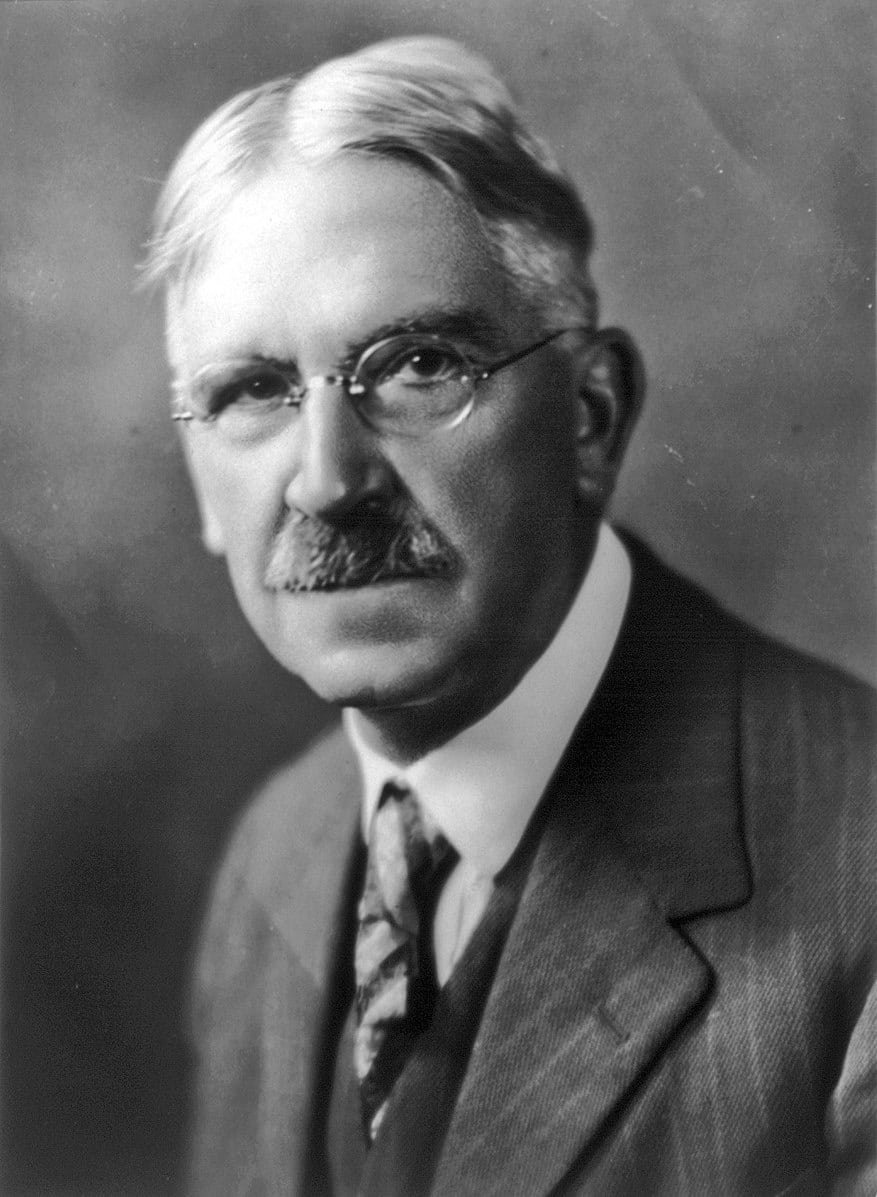
In his 1927 book, “The Public and Its Problems,” Dewey conceptualised publics as situational groups formed in response to shared concerns or issues. He posited that these groups emerge when individuals confront a common problem, recognise its existence, and take collective action to address it. 2Dewey, J. (1927). The Public and Its Problems. Athens, Ohio: Swallow Press.
“Dewey’s theory of the public sphere recognizes multiple publics and permeable borders between public and private, with communication playing a crucial role in public formation and re-formation.”
Source: Argumentation and Advocacy 3Asen, R. (2003). The Multiple Mr. Dewey: Multiple Publics and Permeable Borders in John Dewey’s Theory of the Public Sphere. Argumentation and Advocacy, 39, 174 — 188. … Continue reading
Dewey’s formulation of publics marked a significant departure from the traditional understanding of the “mass public,” which assumed a more homogeneous and passive audience.
By highlighting the situational and dynamic nature of publics, Dewey laid the foundation for a more nuanced and adaptive approach to understanding the complex interactions between organisations and their various audiences.
The term publics has become a cornerstone of modern public relations and communication theory.
This understanding of publics as situational and ever-changing highlighted the need for organisations to remain agile and adaptive in their communication efforts.
By recognising the diverse and situational nature of publics, PR professionals and communicators can better understand the needs and concerns of their various audiences, allowing them to develop more effective communication strategies.
“This recognition of the active and dynamic nature of publics has also influenced broader academic and public discourse, highlighting the importance of understanding and engaging with different groups of people who share common interests, concerns, or problems.”
Source: Contemporary Pragmatism 4Rogers, M. (2010). Introduction: Revisiting The Public and Its Problems. Contemporary Pragmatism, 7, 1 – 7. https://doi.org/10.1163/18758185 – 90000152
Learn more: John Dewey and the ‘P’ in Public Relations
Seriality: Context Matters
“Seriality” is a concept that emerges from identity and social theory, particularly in the works of philosophers like Jean-Paul Sartre and Iris Marion Young. It refers to how individuals are grouped based on shared characteristics without a strong sense of belonging or identity.
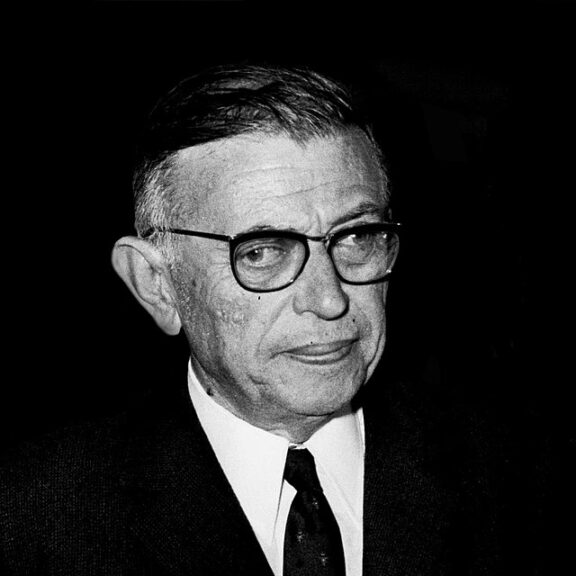
Sartre argued that passive collectives, like people waiting at a bus stop, only become active when they recognise shared interests or struggle. Many publics remain “serial” (inactive) until activated by context. 5Sartre, J.-P. (1991). Critique of dialectical reason (Vol. 2, Q. Hoare, Trans.; A. Sheridan-Smith, Ed.). Verso. (Original work published 1985.) 6Silfwer, J. (2023, October 9). Five Types of Publics. Doctor Spin | The PR Blog. https://doctorspin.net/five-types-of-publics/
“Seriality is a key concept in understanding the constancy and transformation of identity, particularly in public presentations of the self and its online manifestations.”
Source: M/C Journal 7Marshall, P. (2014). Seriality and Persona. M/C Journal, 17, 1 – 10. https://doi.org/10.5204/mcj.802
In Sartre’s existentialist framework, seriality describes a form of social collectivity. According to him, people can be part of a series without necessarily sharing a unified group identity. For example, people waiting at a bus stop are connected by their shared situation (waiting for the bus) but do not necessarily form a cohesive public with a shared identity. They are separate individuals linked by a common objective or condition.
Key insights:
Seriality explains why some publics remain inactive and fragmented while others suddenly unite and how context (media, conflict, proximity, power structures) determines when, how, and why a group identity “clicks” into place.
Therefore, seriality is a way of understanding how individuals can belong to collective categories without necessarily having a shared demographic identity.
Learn more: Seriality (Context Matters)
The Publics in Public Relations
Publics are a central component of public relations — in fact, the ‘P’ in PR. However, they are often misunderstood or conflated with marketing’s ‘target groups’.
Here’s how to define publics in public relations:
Publics = psychographic segments (who) with similar communication behaviours (how) formed around specific issues (why) impacting a brand (to whom). 10Silfwer, J. (2015, June 11). The Publics in Public Relations. Doctor Spin | The PR Blog. https://doctorspin.net/publics-in-public-relations/
Please note:
Psychographic segment = similarities in cognitive driving factors such as reasoning, motivations, attitudes, etc.
Communication behaviours = how the public’s opinion is expressed (choice of message, rhetorical framing, and medium type).
Specific issue = determined situationally by a specific social object, often high on the agenda in news media or social media.
Learn more: The Publics in Public Relations
Thanks for reading. Need a PR specialist?
Please contact Jerry for a consultation.
What should you study next?
Spin Academy | Online PR Courses
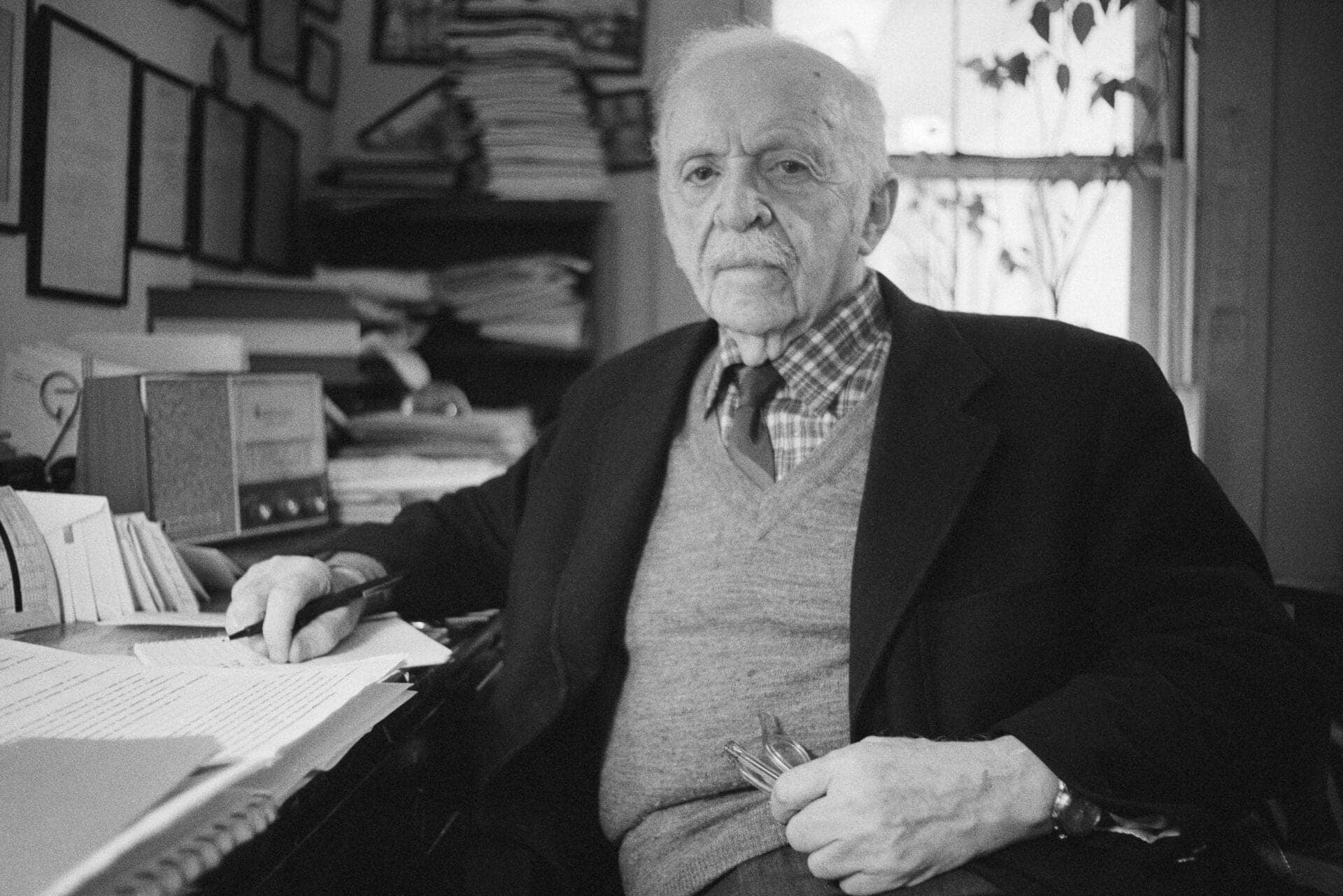
Influencing PR: Notable Contributors
It’s noted that the gender bias is apparent here. I’m currently researching a more balanced list.
Public Relations Contributors
Learn more: All Free PR Courses
💡 Subscribe and get a free ebook on how to get better PR.

Annotations
| 1 | John Dewey. (2023, March 25). In Wikipedia. https://en.wikipedia.org/wiki/John_Dewey |
|---|---|
| 2 | Dewey, J. (1927). The Public and Its Problems. Athens, Ohio: Swallow Press. |
| 3 | Asen, R. (2003). The Multiple Mr. Dewey: Multiple Publics and Permeable Borders in John Dewey’s Theory of the Public Sphere. Argumentation and Advocacy, 39, 174 — 188. https://doi.org/10.1080/00028533.2003.11821585 |
| 4 | Rogers, M. (2010). Introduction: Revisiting The Public and Its Problems. Contemporary Pragmatism, 7, 1 – 7. https://doi.org/10.1163/18758185 – 90000152 |
| 5 | Sartre, J.-P. (1991). Critique of dialectical reason (Vol. 2, Q. Hoare, Trans.; A. Sheridan-Smith, Ed.). Verso. (Original work published 1985.) |
| 6, 9 | Silfwer, J. (2023, October 9). Five Types of Publics. Doctor Spin | The PR Blog. https://doctorspin.net/five-types-of-publics/ |
| 7 | Marshall, P. (2014). Seriality and Persona. M/C Journal, 17, 1 – 10. https://doi.org/10.5204/mcj.802 |
| 8 | Anderson, B. (2006). Imagined communities: Reflections on the origin and spread of nationalism (Revised ed.). Verso. (Original work published 1983) |
| 10 | Silfwer, J. (2015, June 11). The Publics in Public Relations. Doctor Spin | The PR Blog. https://doctorspin.net/publics-in-public-relations/ |