

Could stoic philosophy for public relations work?
According to the stoic public relations (PR) philosophy, obstacles must be seen as growth opportunities. In this view, hardships are potent tools for conquering public opinion.
Here we go:
Zeno of Citium, the Cypriot Merchant
A few centuries before the Common Era, a Cypriot merchant named Zeno faced a devastating misfortune: his ship, laden with valuable cargo, was lost at sea. Overnight, he went from a wealthy trader to a man with nothing. Stranded, broke, and nearly defeated, Zeno could have succumbed to despair.
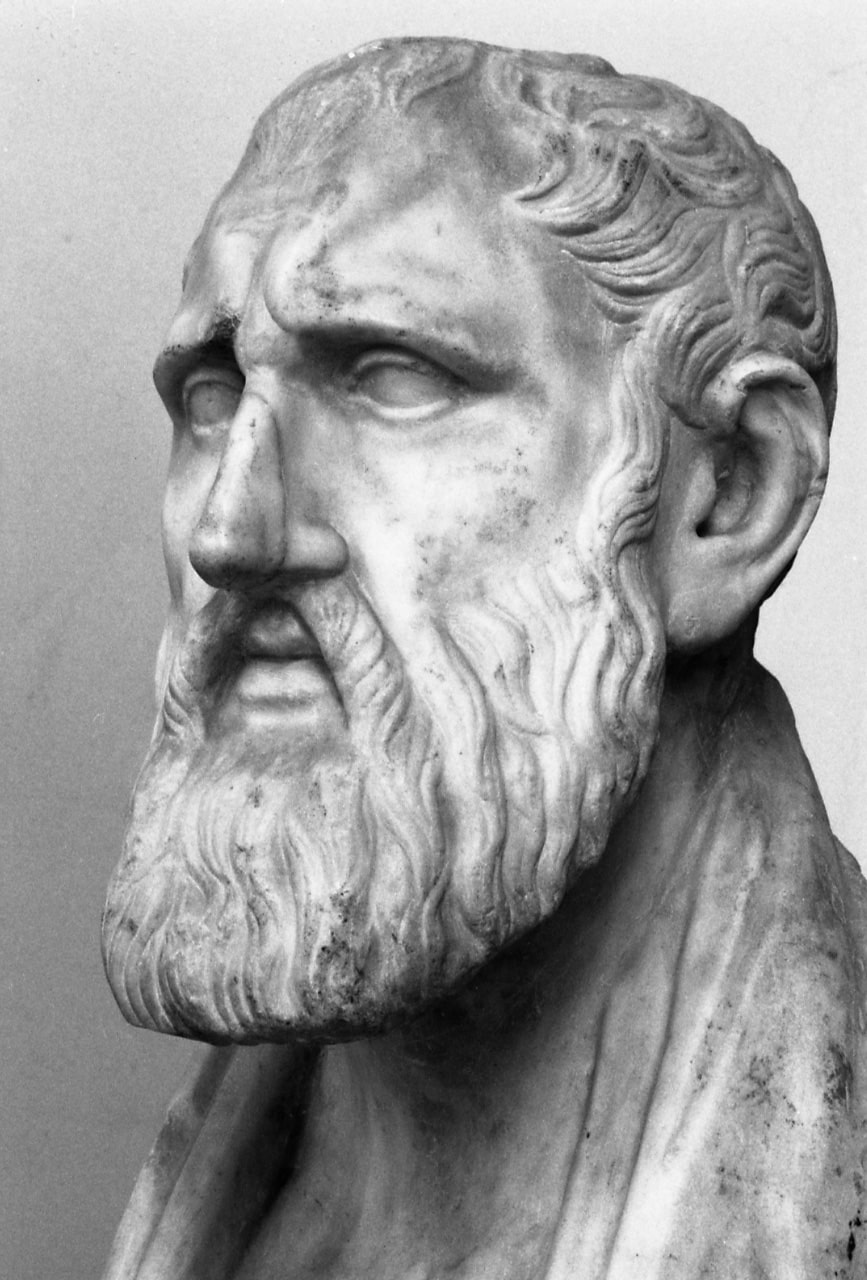
After the shipwreck, Zeno wandered into a bookstore in Athens, seeking solace and answers. He stumbled across philosophy among the shelves — a lifeline in his darkest hour. Immersing himself in the works of great thinkers, Zeno not only rebuilt his life but also founded Stoicism, one of the most enduring and influential schools of thought in human history. 1Zeno of Citium. (2024, October 31). In Wikipedia. https://en.wikipedia.org/wiki/Zeno_of_Citium
Stoicism teaches us to take the universe at face value, striving to align our will with the natural order rather than railing against it. It promotes resilience, self-discipline, and the pursuit of virtue over fleeting pleasures or external success. While Zeno’s teachings were forged in the ashes of personal loss, they resonated across the ages, shaping leaders, warriors, and thinkers — from Marcus Aurelius to modern CEOs.
What PR Can Learn From Zeno
At first glance, Stoicism seems worlds apart from the ethos of public relations and marketing. Public relations thrives on influence — crafting narratives, managing perceptions, and shaping desires. It’s a world of superlatives: bigger, better, faster, stronger. Drama and conflict are often tools of the trade, as PR campaigns stir emotions to captivate audiences.
Stoicism, in contrast, emphasizes restraint. It teaches us to remain calm amid chaos, let go of things beyond our control, and seek contentment not in external accolades but in internal virtue.
So, what could Zeno — who lost everything yet found his life’s purpose — teach the PR industry?
Stoic Ideas for the Public Relations Industry
Imagine a PR campaign inspired by Zeno’s philosophy. Instead of hyping up products or manufacturing desires, it would focus on truth, clarity, and connection. It would encourage audiences to make thoughtful, informed decisions rather than impulsive ones.
This isn’t to say the PR industry should abandon its tools of persuasion. But perhaps we can wield them with a Stoic mindset — anchored in purpose, grounded in reality, and respectful of the audience’s intelligence.
After all, Zeno’s greatest lesson is that even the worst calamities can lead to transformative growth.
Learn more: Zeno and Stoic Ideas for Public Relations
The Obstacle is the Way
In The Obstacle Is the Way: The Timeless Art of Turning Trials into Triumph, Ryan Holiday describes how choosing the path of the most resistance maximises our growth as individuals and organisations.
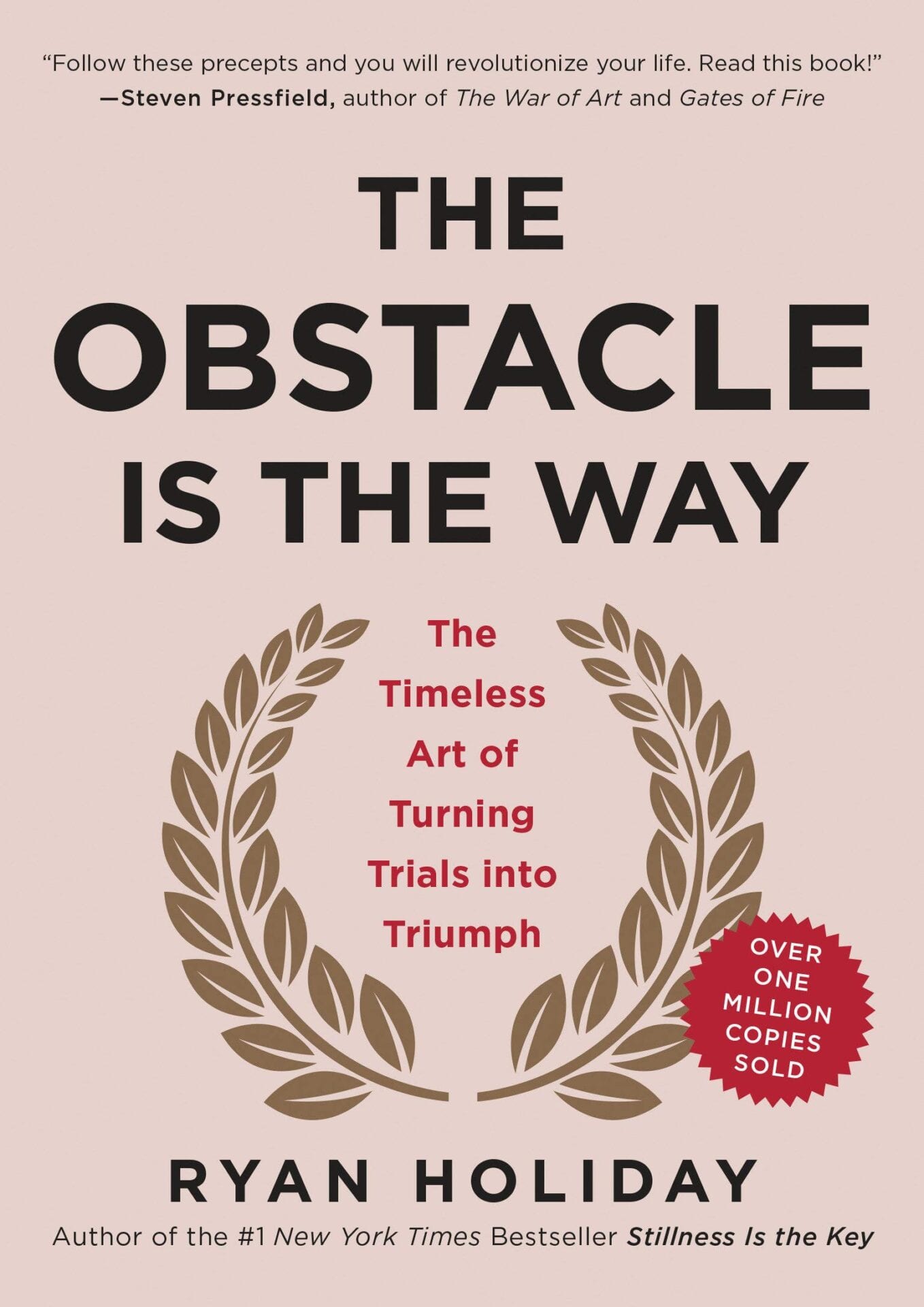
Having the odds stacked against you might not be as bad as it seems at first glance. If nothing else, it’s the start of a great story.
Drawing from stoic philosophy, Holiday argues that Stoicism isn’t just about enduring pain and adversity with perseverance and resilience; it’s about allowing these obstacles to make you grow.
“There is no good or bad without us, there is only perception. There is the event itself and the story we tell ourselves about what it means.”
— Ryan Holiday
I wonder:
Could stoic philosophy be a modus operandi for public relations?
I’m certainly intrigued by imagining a contrarian PR professional who always sees opportunities where others only see obstacles!
Learn more: Stoic Philosophy for Public Relations
Stoic Philosophy for Public Relations
I’m inspired by Stoicism — and intrigued by the idea of translating classical Stoic virtues (wisdom, courage, justice, temperance) and applying them to public relations:
The Wisdom Pitch
“A Stoic is someone who transforms fear into prudence, pain into transformation, mistakes into initiation, and desires into undertaking.”
— Nassim Nicholas Taleb
Tell PR stories of how organisations can be wise and overcome obstacles that have stopped others in their tracks. Convey PR messages on how to apply wisdom, knowledge, and experience.
The Courage Pitch
“We cannot choose our circumstances, but we can always choose how we respond to them.”
— Epictetus
Tell PR stories of brands that never back down in the face of hardships that would destroy other organisations. Convey PR messages of how an organisation can be righteous even when storms are raging.
The Justice Pitch
“Concentrate every minute on doing what’s in front of you with precise and genuine seriousness, tenderly, willingly, with justice.”
— Marcus Aurelius
Tell PR stories of how organisations relentlessly can strive for honesty and transparency — even when uncomfortable. Convey PR messages about how all brands, without exception, can rid themselves of dishonesty and incompetence.
The Temperance Pitch
“It’s not the man who has too little, but the man who craves more, who is poor.”
— Seneca
Tell PR stories of organisations that strive for higher values in a world where all other organisations suffer shortsightedness. Convey PR messages of organisations prepared to abstain from short-term gains to make the world better for all.
Learn more: Stoic Philosophy for PR Professionals
The Stoic Tonality
An organisation is the polyphonic sum of all its coworkers. Imagine extracting each coworker’s most virtuous and mature traits and combining them into one voice — the Stoic tonality.
Stoic Tonality Examples
“Why doesn’t your brand speak out against industrial overfishing killing our oceans?”
“As a company that sells fishing gear, we want our oceans — and all animals and plants living in them! — to be healthy and plentiful. We, too, were disturbed by the recent news of overfishing. How could anyone not be? We now ask ourselves, how can our company make more of a difference? Honestly, we’re discussing our strategy for sustainability every day. I cannot say how or when we might take specific action regarding this latest news, but rest assured that we’re taking the general issue of saving our oceans seriously.”
“Why doesn’t your brand engage in Black Lives Matter?”
“As for right now, we’re listening. We’re listening to the stories being told. We’re listening to understand better how we can learn and grow as a company. As for inclusiveness and human rights in general, we think we’re doing a great job, and part of that is to stay open and carefully listen to people’s stories. We might take specific actions, but we’re listening and learning.”
“Why doesn’t your brand join our protests against toxic masculinity and the patriarchy?”
“Honestly, we’re a product company. We make products for anyone who likes them. And I dare say that we’re experts in making these products. However, we’re not experts on ideologies or societal structures. So, for now, we listen. And we continue to focus on making the best products that we can. For everyone. We believe that’s our best way of contributing at this point.”
“Why doesn’t your brand sign our petition to boycott all companies on our Environmental Black List?”
“As a company, we operate differently. Instead of signing petitions or participating in other public demonstrations, we take action within our sphere of influence. And I dare say that our many environmental initiatives are making a lot of difference worldwide relative to our size and reach. If we were to sign your petition, we would first have to use our resources to research the legitimacy of its creators and then make sure that none of the companies on that list is being wrongfully accused. While it would be possible, we’ve decided that we can do more good by directing our resources to where we can make the most difference.”
“Why doesn’t your company act against your female employees who take time off for abortions?”
“All our employees are grown-ups, and what they do on their own time is frankly none of our business. We’re a large company, and we have employees who are pro-life and pro-choice. We believe we have a workplace where people can have different opinions but still respect each other and work well together.”
“Why hasn’t your company offered your thoughts and prayers for the victims and their families of the school shooting?”
“The victims and their families have our empathies, of course. I speak for everyone working at our company when I say we were devastated by the news as everyone else. But you’re right that we haven’t posted any status updates about the shooting on our Facebook page. It’s not that we don’t care (we do!), it’s just that we focus our updates on our products and services and how they make a positive difference in the world.”
Learn more: The Stoic Tonality
Existentialism: Thought Leadership, Advisory, and Education
Regarding thought leadership, advisory, and education, I often remind myself of the beautiful words of the Danish existentialist Søren Kierkegaard (1813 – 1855): 2Søren Kierkegaard. (2023, November 27). In Wikipedia. https://en.wikipedia.org/wiki/S%C3%B8ren_Kierkegaard
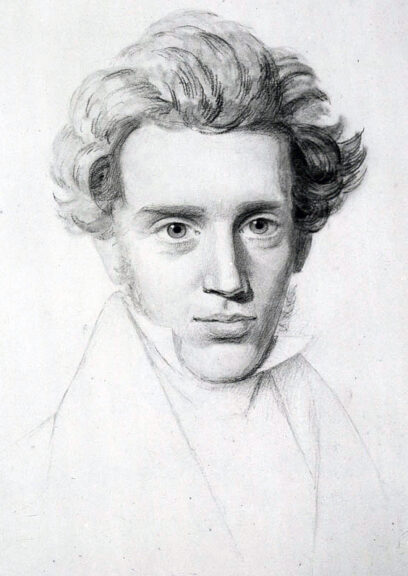
According to Kierkegaard, servitude is the foundation for success for all aspiring thought leaders, advisers, salespeople, and educators:
“If one is truly to succeed in leading a person to a specific place, one must first and foremost take care to find him where he is and begin there.
This is the secret in the entire art of helping.
Anyone who cannot do this is himself under a delusion if he thinks he is able to help someone else. In order truly to help someone else, I must understand more than he — but certainly first and foremost understand what he understands.
If I do not do that, my greater understanding does not help him. If I nevertheless want to assert my greater understanding, then it is because I am vain or proud, then basically instead of benefiting him I really want to be admired by him.
But all true helping begins with a humbling.
The helper must first humble himself under the person he wants to help and thereby understand that to help is not to dominate but to serve, that to help is a not to be the most dominating but the most patient, that to help is a willingness for the time being to put up with being in the wrong and not understanding what the other understands.”
— Søren Kierkegaard (1813 – 1855)
Learn more: Existentialism for PR Advisers

THANKS FOR READING.
Need PR help? Hire me here.
Annotations
| 1 | Zeno of Citium. (2024, October 31). In Wikipedia. https://en.wikipedia.org/wiki/Zeno_of_Citium |
|---|---|
| 2 | Søren Kierkegaard. (2023, November 27). In Wikipedia. https://en.wikipedia.org/wiki/S%C3%B8ren_Kierkegaard |